The hand-flower tree
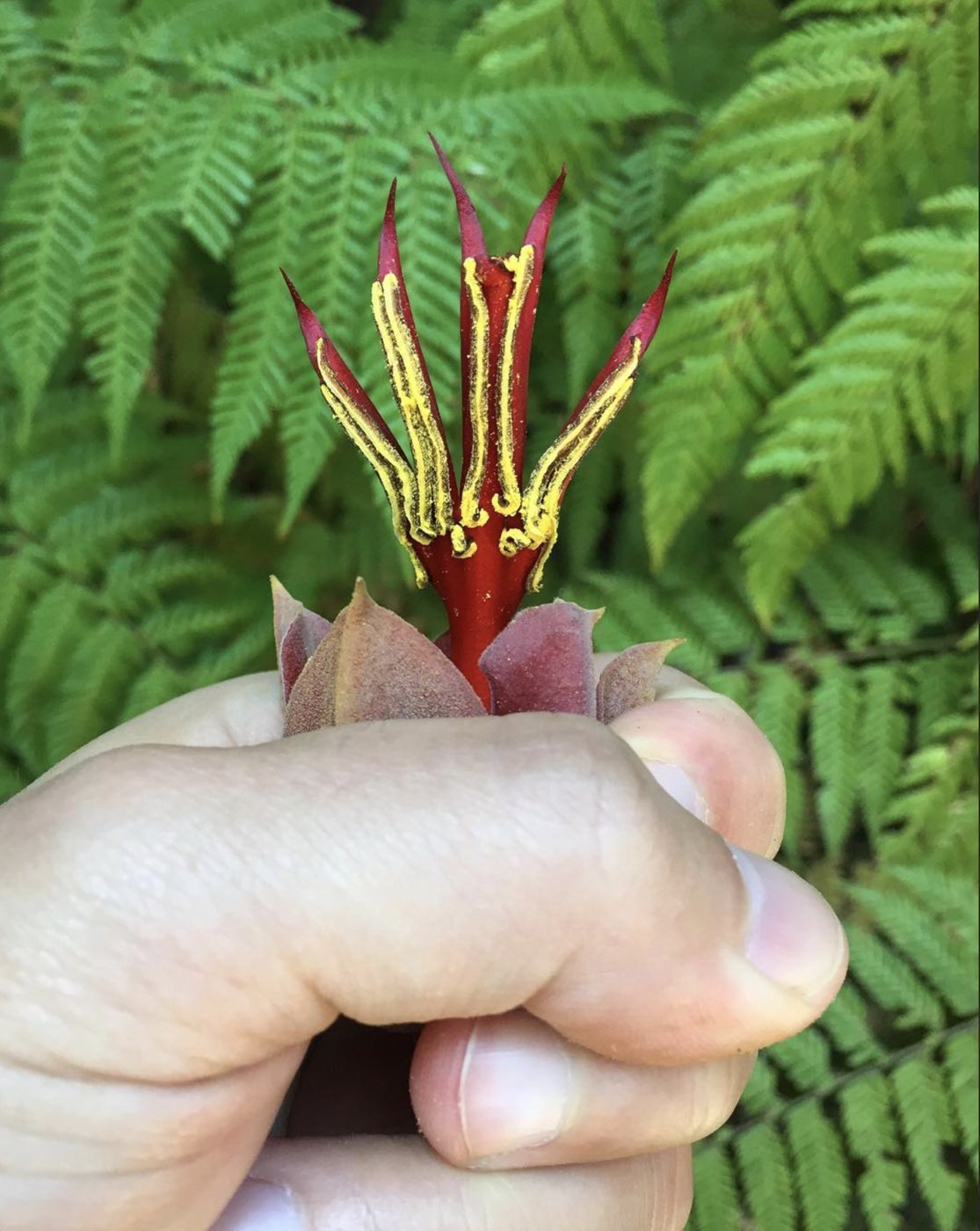
The hand-flower tree (Chiranthodendron pentadactylon) is an endemic, threatened species of the cloud forests of Mexico and Central America. Its Nahuatl name, macpalxóchitl, joins the words for hand, flower and tree: its five red stamens look like the fingers of a hand.
Mesoamerican peoples knew and cultivated it for its medicinal properties. It appears in the 1552 Codex de la Cruz-Badiano, and in 1795 Joseph Dionisio Larreátegui gave it a scientific description based on the famous tree of Huitzila, in Toluca, which Alexander von Humboldt visited in 1803. That tree, roughly three hundred years old, was declared a notable heritage tree of Toluca in 2024.
In the wild, cloud forest covers less than one percent of Mexico and remains under pressure from logging, farming, fires and urban growth.
Flor Manita
David Guajardo Ruz founded Flor Manita, Mexico’s only Environmental Management Unit (UMA) dedicated to propagating the hand-flower tree. Since 2019 the tree has been propagated in nurseries and at the UMA, and it is increasingly planted in parks and urban spaces.
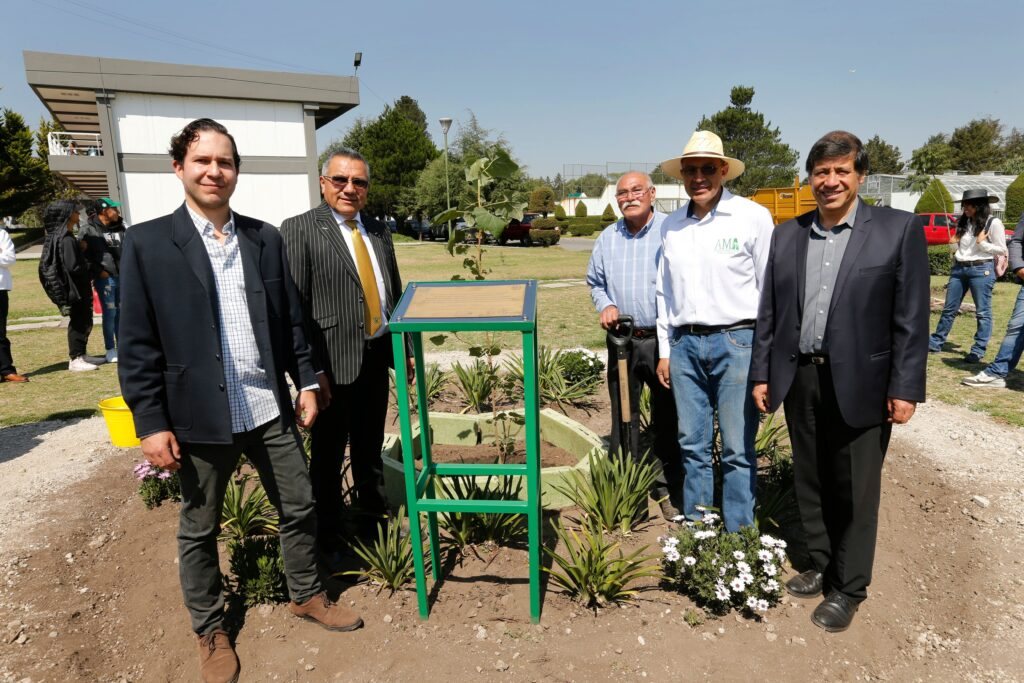
Flor Manita can propagate about 950 trees a year; nine in ten seeds germinate. The project has mapped about 50 trees in the State of Mexico, and its trees have gone to the Centro Cultural Mexiquense, to schools and to the Autonomous University of the State of Mexico, where a donated tree was planted at the School of Agricultural Sciences in 2023.